
"Central American flavor"
4000 article(s) found

Introduction to the flavor and taste characteristics of Nicaraguan coffee manor with chocolate flavor Los Congo
Has a close relationship with the United States. On July 24, 1979, the United States recognized the Nepalese national rejuvenation government. On March 13, 1990, President Bush announced the lifting of the economic blockade imposed on Nepal since 1985 and put Nepal back on the MFN list of development and trade credits provided by the United States. In April 1991, the President of Nepal paid his first official visit to the United States. In January 1992, Nepal and the United States signed an agreement on friendship and cooperation. In July 1995, the United States extended again.

Black Soul
Take a sip of the Black Soul of Las Haras. I thought I was drinking fruit tea? 01 | Costa Rica is located in Central America. It is the country where coffee was first introduced to Central America for cultivation. It has a long history and has a complete coffee organization from production to marketing system. Because it is located in the Central American Isthmus, the volcanic soil is very fertile and has good drainage, especially in the central plateau CentralPl.

Characteristics of Coffee beans in Latin America Flavor description of planting area texture treatment Grinding scale
Characteristics of Latin American coffee beans Flavor description of the growing area the method of grinding and calibrating the advantaged tropical rain forest environment in some parts of Bolivia provides excellent natural conditions for the growth of organic coffee. The aroma of Bolivian coffee is rich and unique, whether it is the aroma of ground beans or the aroma of coffee, similar to the mixture of flower and fruit aroma.

Introduction to the special and elegant Mexican coffee flavor and taste of the fine coffee in the manor area.
The Olmec civilization (Olmec) is the oldest known American civilization. It existed from about 1200 BC to 400 BC and is located in the rainforest of what is now south-central Mexico and is famous for its large head statues. The Olmec civilization was born in the tropical jungles of the San Lorenzo Highlands of Central America around 1200 BC. San Lorenzo was an early Olmec.
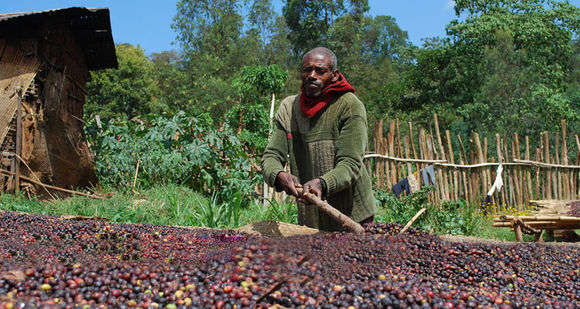
Fine American Coffee Guatemala New Oriental Region Guava Plain Manor Wine Fragrance Solarization SL28
Guatemala is one of the most important coffee-producing countries in Central America. The mountains in Guatemala extend for a long time, and the regional climate varies from one place to another. Therefore, eight coffee-producing areas in Guatemala are created. They are all located on the highland terrain with subtropical climate. The rainfall is abundant and stable. The fertile volcanic ash soil is the perfect environment for coffee trees to grow. Plan del Guayabo is located next to Volcn de Suchitn

Costa Rican Goddess Manor Coffee Flavor taste characteristics introduction of boutique coffee producing areas
1502 C. Columbus discovered the coast of Costa Rica on his fourth voyage. Since then, the Spanish colonists have invaded many times. The city of Catago was founded in 1563 and Costa Rica was colonized by Spain and placed under the jurisdiction of the Governor's Office of Guatemala. During the colonial period, under the cruel enslavement and oppression of the Spanish colonists, the Indians were almost wiped out and there was little labor available for enslavement.

American producing area Costa Rica national Tarasu coffee beans-acidity ideal fragrance unique strong
Tarrazu in Costa Rica is one of the major coffee producing areas in the world. The coffee produced is light and pure in flavor and pleasant in aroma. Costa Rica, with its fertile volcanic soil and good drainage, is the first country in Central America to grow coffee and bananas for commercial value. Coffee and bananas are the country's main exports. In 1729, coffee was introduced from Cuba to Costa.

The flavor of American coffee beans is American coffee good? the correct way to drink American coffee
For more information on coffee beans, please follow the Coffee Workshop (official Wechat account cafe_style) Coffee from Central and South America coffee from countries in the region is often described as having a nutty and caramel flavor and a floral flavor. Think of peanuts, walnuts and almonds. The wine is light and medium-bodied, with balanced and mild taste and moderate acidity. From regions such as Colombia and Costa Rica

History of Coffee Central American Coffee producing countries
Coffee ingredient Editor caffeine: has a particularly strong bitter taste and stimulates the central nervous system, heart and respiratory system. Appropriate amount of caffeine can also reduce muscle fatigue and promote digestive juice secretion. Because it promotes kidney function, it is diuretic and helps the body to expel excess sodium ions from the body. But eating too much can lead to caffeine poisoning. Tannic acid: boiled tannic acid will

Introduction to the characteristics of the whole soft and slightly sour Salvadoran coffee flavor manor
The Salvadoran flag was launched in 1822, rescinded in 1865 and restored in 1912. The Constitution of the year of the Salvadoran Flag in 1972 was officially established as the national flag. The national flag is rectangular, with a ratio of length to width of 335 to 189. From top to bottom, the flag is connected by three parallel equal horizontal rectangles of blue, white and blue, and the central part of the white part is painted with the national emblem. Because El Salvador used to be
Panamanian coffee, the king of coffee price ratio in Central America.
Panamanian Coffee growing Environment Panama is a small country located in the center of the American continent. The waters of the Atlantic and Pacific oceans flood its beaches. Panama is located at 9 degrees north latitude, the meeting point of the Central Mountains, where Mount Baru, one of the highest volcanoes in Central America, is located. The Baru volcano has an altitude of more than 11400 feet and the land around it is rich.
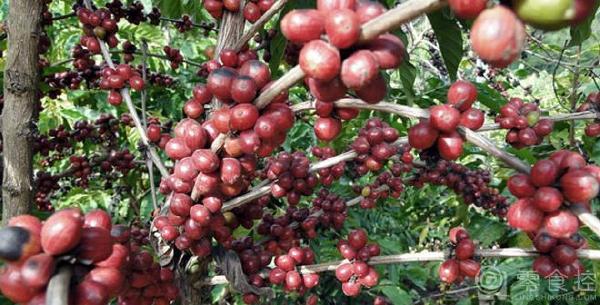
American producing area Costa Rica National Tarasu Coffee Bean acidity ideal fragrance unique strong characteristics
Costa Rican coffee has full grains, ideal acidity and unique strong aroma. Tarrazu of Costa Rica is one of the major coffee producing areas in the world. Costa Rica, with its fertile volcanic soil and good drainage, is the first country in Central America to grow coffee and bananas for commercial value. Coffee and bananas are
A detailed introduction of the coffee production areas of Costa Rica on behalf of coffee from Central America.
For the exchange of professional baristas, please follow the Coffee Workshop (official Wechat account cafe_style). There are seven countries in Central America, namely, Belize, Costa Rica, El Salvador, Guatemala, Honduras, Nicaragua and Panama. All seven countries in Central America produce coffee, among which Guatemala, Costa Rica and Honduras are global coffee exporters.

Nicaraguan coffee with rich mellow flavor and taste introduction to boutique coffee beans
Since July 1927, Augusto. Cesar. Sandino led the people in a guerrilla war against the US occupation, forcing the US military to withdraw in 1933. On February 21, 1934, the Commander of the Nicaraguan National Guard, Anastacio. Somocha. Garcia assassinated Sandino at the behest of US President Roosevelt. He became president in 1936 and has been pro-American for more than 40 years since then.

Central American Coffee producing area-introduction of SL28 raisin Solar in Ras Lajas Manor, Costa Rica
Professional coffee knowledge exchange more coffee bean information please follow the coffee workshop (Wechat official account cafe_style) front street-Costa Rica La La Haas estate SL28 raisin sun introduction Francisca and Oscar Chacn couple, is the third generation operator of Las Lajas, Las Lajas is located in the foothills of Sabanilla de Alajuela Pos Volcano in the Central Valley
Introduction to SL28 dried grapes in Central American Coffee producing area-Galaclajas Manor in Costa Rica
Professional coffee knowledge exchange more coffee bean information please follow the coffee workshop (Wechat official account cafe_style) front street-Costa Rica La La Haas estate SL28 dried grapes sun introduction Francisca and Oscar Chacn couple, is the third generation operator of Las Lajas, Las Lajas is located in the foothills of Sabanilla de Alajuela Pos Volcano in the Central Valley

The preferred source of coffee beans in Latin America A brief introduction to Breakfast Coffee beans
Starbucks preferred source of coffee beans Historical theme introduction each Latin American mixed coffee is unique and does not include any Latin American single coffee. Sometimes, our mixed coffee may also contain beans purchased from different regions of Mexico, Guatemala and Colombia. In addition, our purchasing staff are also in Costa Rica, El Salvador, Nicaragua and

Introduction to the characteristics of Coffee Flavor description in Nicaraguan Tianyi Manor in Central America
Nicaraguan coffee of high quality is in the forefront of coffee beans in the world and enjoys a good reputation. Its particles are moderate in size, mild in taste and very aromatic and mellow. Nicaragua is located in central Central America, bordered by the Pacific Ocean to the west and the Caribbean Sea to the east. The highlands in the north and the coastal plains in the east are part of the Central American volcanic belt. The eastern plain is high-temperature and rainy, with a tropical maritime climate. Suitable

Characteristics of Latin American coffee beans Growing area Flavor description Processing method
Each Latin American blend coffee is unique and does not include any Latin American single-origin coffee. Sometimes Starbucks 'blend coffee may also contain beans sourced from different regions of Mexico, Guatemala and Colombia. Starbucks buyers are also in Costa Rica, El Salvador and Nepal.

Introduction of coffee flavor and taste characteristics of Mercedes Manor in El Salvador with excellent balance
El Salvador's domestic topography is mainly mountainous, plateau, volcanic, known as the country of volcanoes, Santa Ana active volcano 2385 meters above sea level, the highest peak in the country; the northern part of the country is the Lompa Valley and the southern part is the narrow coastal plain. Climatic characteristics all over El Salvador has a tropical climate, with an annual average temperature of 28 ℃; dry season from November to April and rainy season from May to October; coastal and lowland atmosphere